Cervical Spine Surgery
Cervical spine surgery is performed to relieve pressure on the spinal cord or nerve roots in the neck region when conservative treatments are no longer effective. Conditions affecting the cervical spine may cause persistent neck pain, arm pain, numbness, weakness, or coordination issues. Cervical spine surgery focuses on decompressing neural structures, stabilizing the spine, and preventing further neurological deterioration.
Understanding Cervical Spine Surgery
Cervical spine surgery is considered when structural problems such as disc herniation, spinal stenosis, instability, or degenerative changes significantly affect nerve function or quality of life. Surgical planning is based on symptom severity, imaging findings, and neurological assessment, with the goal of achieving symptom relief while preserving spinal mobility whenever possible.
Who May Be Considered for Surgery
- Patients with persistent neck or arm pain unresponsive to conservative care
- Individuals with progressive weakness, numbness, or coordination issues
- Patients with spinal cord or nerve compression confirmed by imaging
- People experiencing balance problems or hand function impairment
- Those at risk of neurological deterioration without surgical intervention
Expected Goals of Cervical Spine Surgery
- Relief of spinal cord or nerve compression
- Reduction of neck and radiating arm pain
- Stabilization of the cervical spine
- Prevention of further neurological decline
- Improved daily function and quality of life
Cervical Spine Surgery Cost in South Korea
South Korea is recognized for structured spinal surgery programs using advanced imaging and surgical techniques.
Estimated cost ranges may include:
- Cervical Decompression Surgery: $5,000–$10,000 USD
- Cervical Fusion Procedures: $8,000–$15,000 USD
- Hospital Stay and Surgical Care: Variable depending on complexity
- Preoperative Imaging and Evaluation: $300–$1,000 USD
- Postoperative Rehabilitation: $30–$100 USD per session
Actual costs depend on surgical approach, number of levels treated, and length of hospitalization.
Key Points Before Surgery
- Surgery is typically recommended after non-surgical treatments have failed
- Detailed imaging and neurological evaluation are essential
- Recovery timelines vary based on surgical technique and patient condition
- Postoperative rehabilitation plays a critical role in outcomes
Common Types of Cervical Spine Surgery
1. Cervical Decompression Procedures
These surgeries remove structures compressing the spinal cord or nerves, such as herniated discs, bone spurs, or thickened ligaments.
2. Cervical Fusion Surgery
Fusion stabilizes the spine by joining two or more vertebrae, often used when instability or severe degeneration is present.
3. Motion-Preserving Cervical Surgery
In selected cases, techniques that preserve spinal motion may be considered to maintain flexibility while relieving nerve compression.
4. Anterior vs Posterior Surgical Approaches
The surgical approach is chosen based on pathology location, alignment, and number of affected levels.
5. Neurological Monitoring During Surgery
Intraoperative monitoring may be used to enhance safety and protect nerve function throughout the procedure.
Medical Professionals Involved
Cervical spine surgery is performed by orthopedic spine surgeons or neurosurgeons with specialized training in cervical anatomy. Care teams typically include anesthesiologists, rehabilitation physicians, physical therapists, and nursing staff to support preoperative planning and postoperative recovery.
International Patient Information
Many spinal surgery centers in South Korea provide structured services for international patients undergoing cervical spine surgery.
- English-speaking medical coordinators
- Pre-arrival consultation and imaging review
- Coordinated scheduling for surgery and hospitalization
- Assistance with postoperative rehabilitation planning
- Follow-up guidance after returning home
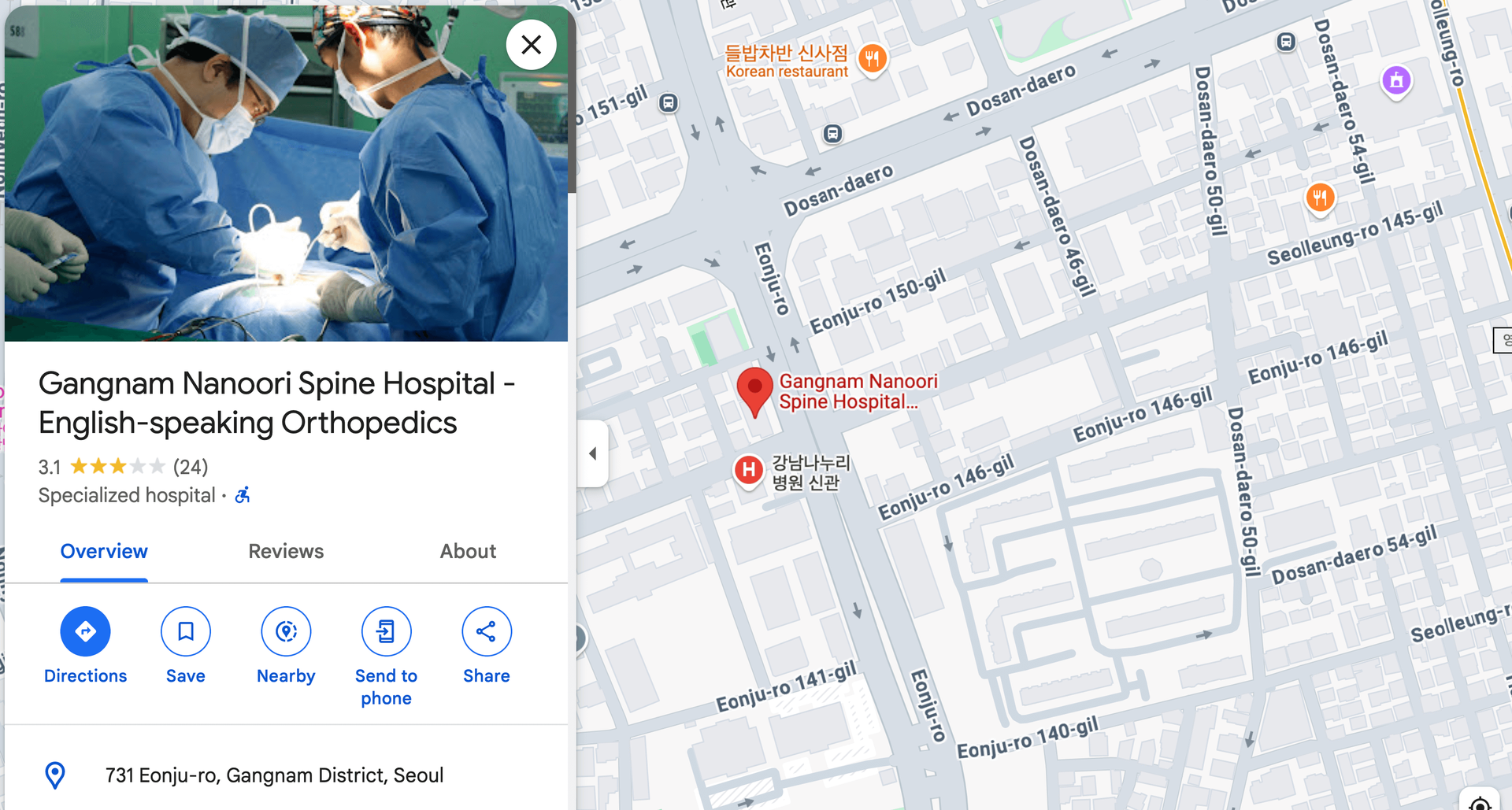
Welcome to Gangnam Nanoori Hospital
Gangnam Nanoori Hospital is a leading international center for spine and joint care, providing world-class medical services to patients from all over the globe. As one of Korea's premier spine and joint hospitals, we are dedicated to diagnosing, treating, and managing various spinal and joint conditions with advanced, patient-centered care.
Our team of board-certified specialists and surgeons offers comprehensive treatment plans tailored to your needs, whether you're dealing with chronic back pain, joint issues, or the need for minimally invasive surgery. We utilize cutting-edge technology and evidence-based practices to ensure the best possible outcomes for our patients.